Cochran's Ski Area: Where Olympians Learned on a Richmond Backyard Hill
No high-speed lifts, no condos — just a rope tow, a T-bar, and the most decorated family in American ski racing. Cochran's is the nation's first nonprofit ski area, and it's still teaching kids to ski for pocket change.
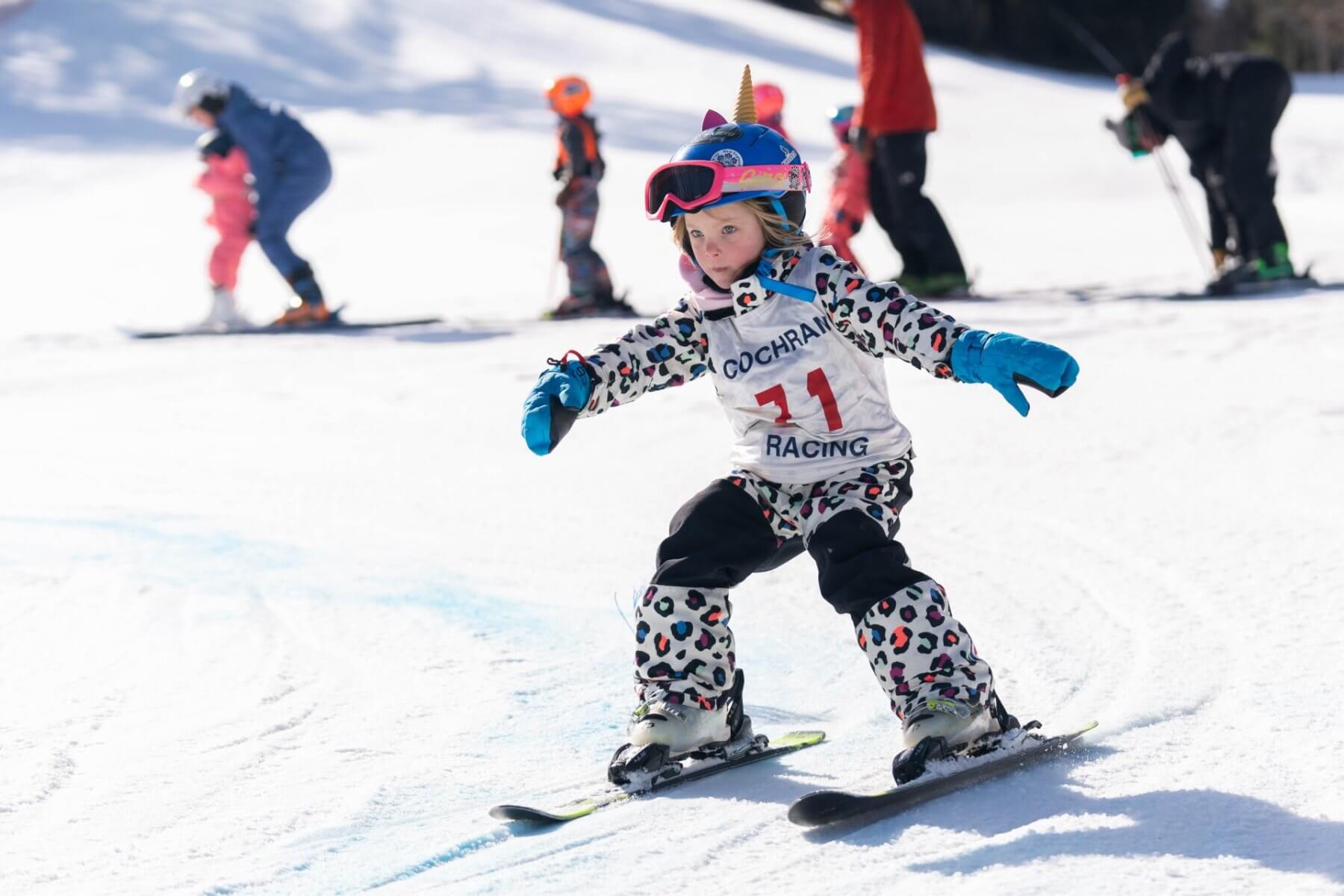 Photo: Cochran's Ski Area
On a 350-foot hill above the Winooski River in Richmond, Vermont, sits the most important small ski area in America. Cochran's Ski Area has no high-speed lifts, no slopeside village, no lift lines to speak of — and it has produced more Olympic ski racers per vertical foot than anywhere on earth. This is where Barbara Ann Cochran learned the turns that won her Olympic gold, where her three siblings became Olympians too, and where, every winter, hundreds of Vermont schoolchildren still learn to ski for pocket change. It is, as the family likes to say, the place to learn to ski the Cochran way. 🎿
The story begins in 1960, when Mickey and Ginny Cochran moved their young family to an old hillside farm in Richmond. Mickey — a mechanical engineer at GE, a former University of Vermont football player, and a passionate skier — started carving trails on the hill behind the house, across the road from the Winooski River. He installed a short rope tow so the kids and the neighbors' kids could ski and train. Ginny opened the back door of the house to the whole neighborhood; her kitchen became the lodge. What started in 1961 as a backyard rope-tow for the family's four children — Bob, Marilyn, Barbara Ann and Lindy — became, almost by accident, a ski area.
Those four children turned out to be the most remarkable siblings in American ski racing. Barbara Ann won the Olympic gold medal in slalom at Sapporo, Japan, in 1972. Marilyn became, in 1969, the first American to win a World Cup giant slalom. Bob became the first American man to win a World Cup giant slalom. Lindy raced for the U.S. Olympic Team as well. Mickey himself coached the U.S. Ski Team during the 1973–74 season and later served as the alpine director of the U.S. national team. And the legacy continues: Barbara Ann's son, Ryan Cochran-Siegle, learned to ski on this same little hill before winning Olympic silver in the super-G at Beijing in 2022.
After Mickey's death in 1998, the family converted Cochran's into the nation's first nonprofit 501(c)(3) ski area — though as Mickey's son Bobby likes to joke, it was always a nonprofit; becoming a 501(c)(3) just made it official. The mission, posted proudly to this day: to provide area youth and families with affordable skiing and snowboarding, lessons and race training, in the Cochran tradition. Ginny, who ran the town's after-school ski program as a volunteer for 35 years, personally taught more than 10,000 children to ski before her death in 2005. The hill she and Mickey built now serves hundreds of schoolchildren every winter, from local learn-to-ski programs to race training for the next generation of Olympic hopefuls.
And what a hill it is — or isn't, by resort standards. A T-bar, a rope tow, a base lodge, and 350 feet of vertical, lit for night skiing so the after-school crowds can lap it until dark. There is nowhere to shop and no craft cocktail bar; there is a snack bar, a hill full of kids, and some of the best race-training conditions in the region. On a winter afternoon, with the lights strung up the slope like candles on a cake, it's pure Vermont.
The prices are the point. As Seven Days reported, on a Friday afternoon at Cochran's, five dollars buys a lift ticket, a grilled cheese costs four, and a cup of hot chocolate is a buck — free if you're a little kid who's short. "Our main mission is to keep skiing and ski racing affordable for anybody," says Lindy Cochran Kelley, the youngest of the four siblings. In a sport where a family day at a big resort can run into the hundreds, Cochran's is a radical act: world-class ski heritage, priced for the neighborhood.
The ski area's school and community programs are the engine of its mission. Each winter, students arrive for after-school and physical-education ski programs; the hill hosts races and training sessions that have launched countless high school and college careers; and outreach efforts have brought everyone from Abenaki youth groups to underprivileged kids visiting from New York City onto the snow. Ask around Vermont and you'll meet plenty of adults who'll tell you, with real pride, that they learned to ski the Cochran way.
Richmond itself is classic small-town Vermont, set along the Winooski River with a beloved farmers' market and a country-store main street. The ski area sits at 910 Cochran Road, minutes from the village center — close enough that generations of local kids have grown up with the hill as their winter backyard. It's a town that understands what it has: not a resort, but a birthplace.
Cochran's runs on community support — volunteers, donations, and the sheer goodwill of three generations of skiers. Check cochranskiarea.com for the season's hours, weekly schedules and race nights before you go, and consider rounding up at the snack bar: every dollar goes back into keeping the lifts turning for the next kid in line. If you're learning, bring the whole family; if you can already ski, come watch the sun drop behind the hill and remember why you fell in love with the sport.
Mountains are measured in vertical feet, but Cochran's is measured in something else: the thousands of kids who learned to turn here, the Olympians it raised, and the radical idea — still radical, more than sixty years on — that skiing belongs to everybody. Mickey and Ginny Cochran built a rope tow behind their house. The rest is Vermont history. Come ski it.